DAY 1 – ATHENS, GREECE
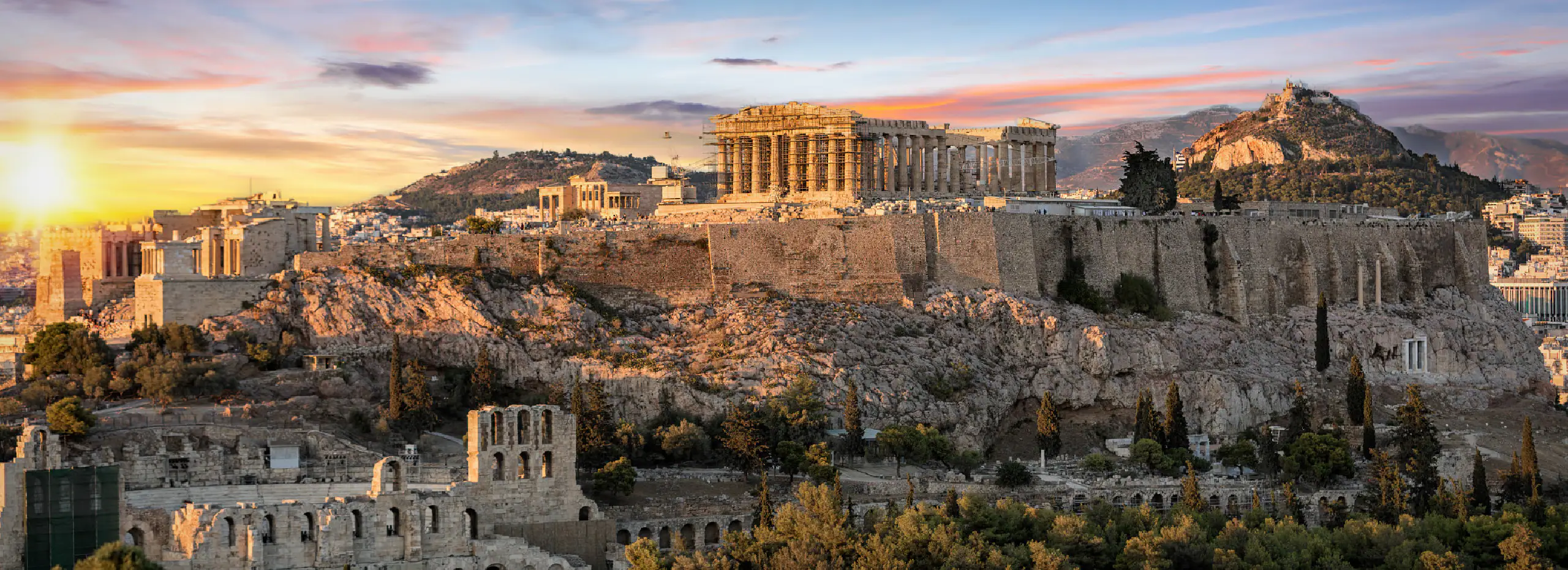
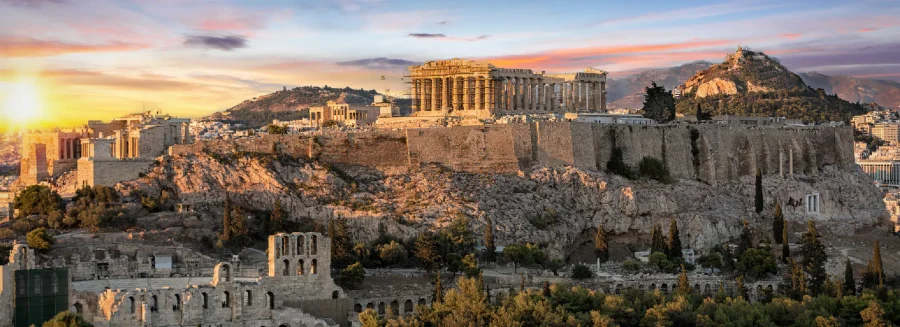
Piraeus has been the port for Athens since 482 BC. The busy harbor is filled with ferries and cruise ships making their way to the Greek Islands and other Mediterranean cities. The busy metropolis of Athens and its treasure trove of antiquities lie just a few miles from the port. Even as the reality of the modern city took hold, with its high-rise apartments, crowded sidewalks and bustling traffic, the beauty of the Acropolis, the outstanding museums, charming cafés, sidewalk markets and startling views come together in a cultural mosaic for all to enjoy.

DAY 2 – SANTORINI, GREECE
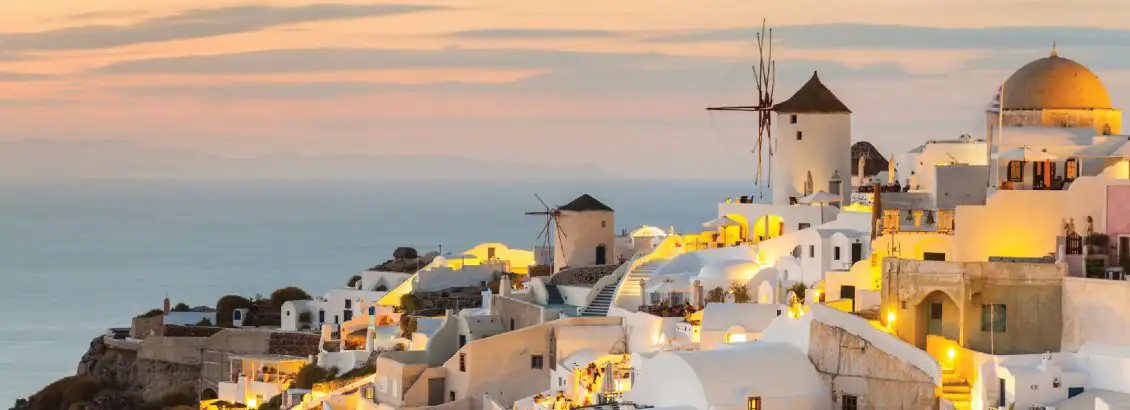
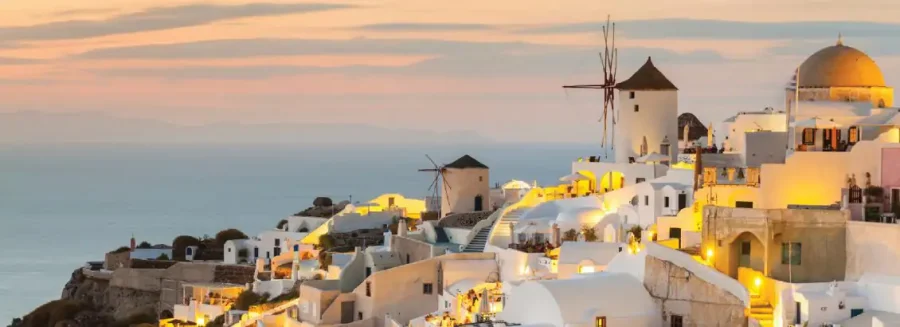
“Thira, the Wild Island” and “Kalliste, the Fairest One” – all terms of endearment for this seductive, volcanic Greek island in the Sea of Crete. Extraordinary for its black sand beaches and sheer limestone cliffs, Santorini also showcases remnants of the Phoenician, Spartan and Minoan cultures, which fell under the island’s spell – an unvarying, irresistible lure that continues to this day. Fira, the picturesque, pedestrian-only capital, is reached from the seaport via a short cable car ride that offers thrilling views as you ascend.
DAY 3 – MONEMVASIA, GREECE
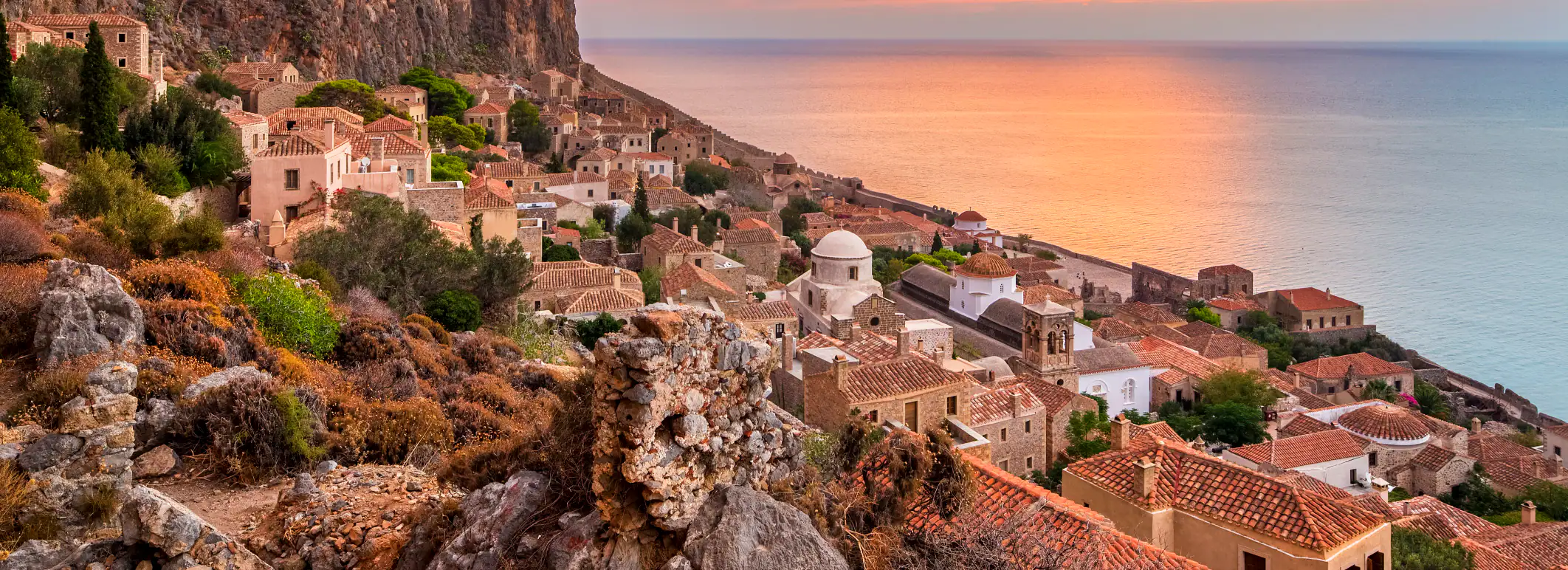
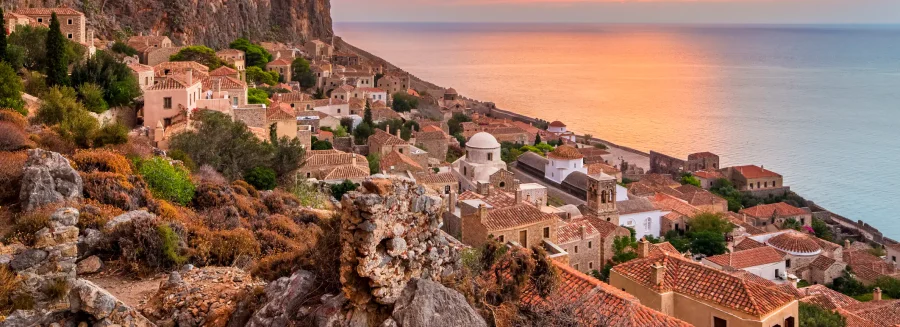
Although connected to the mainland by a causeway, the great hump of Monemvasia looming from the sea is an island. The medieval city seems to tumble down the sheer rock to the sea, crowned by the Byzantine church of Ayia Sophia nearly 900 feet above. In the Middle Ages, the famous Malmsey wine was made here.
DAY 4 – AT SEA
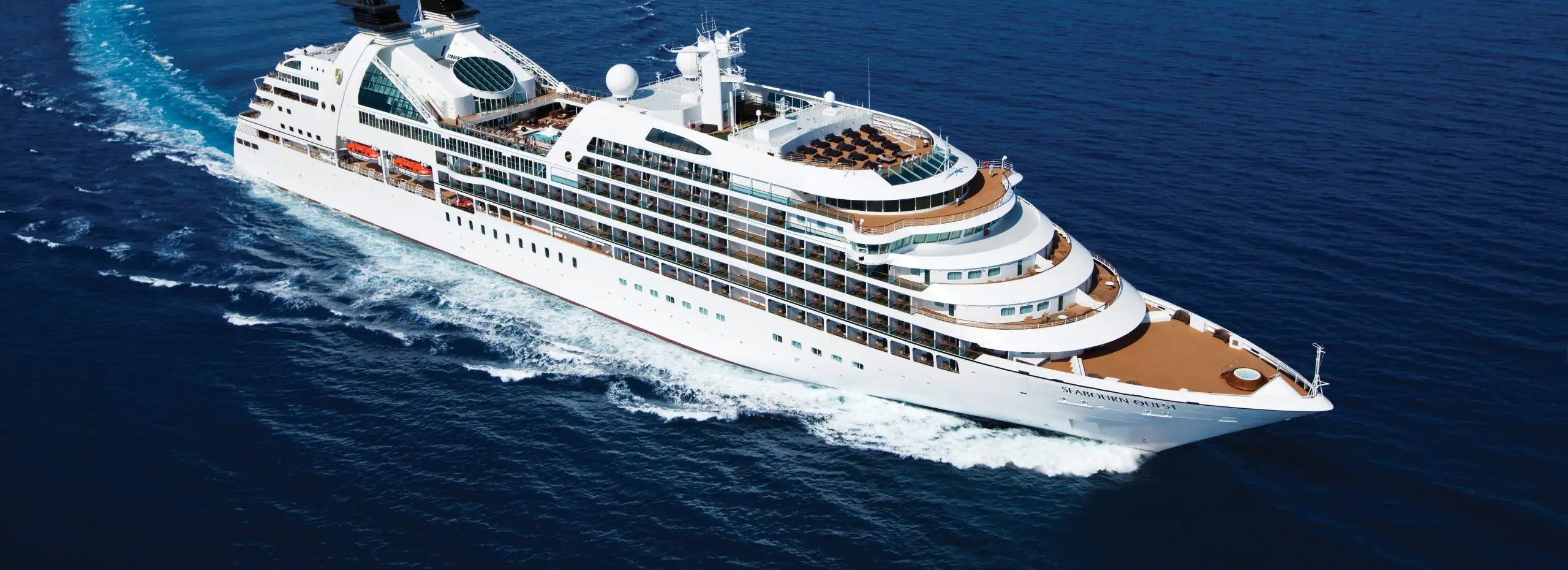
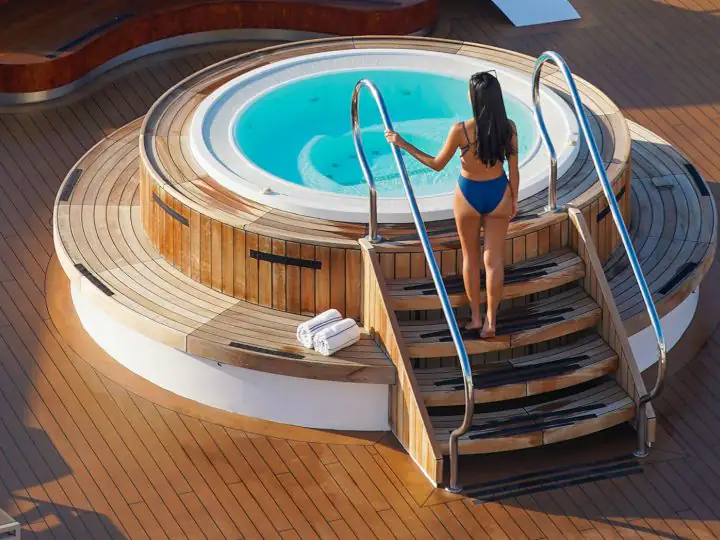
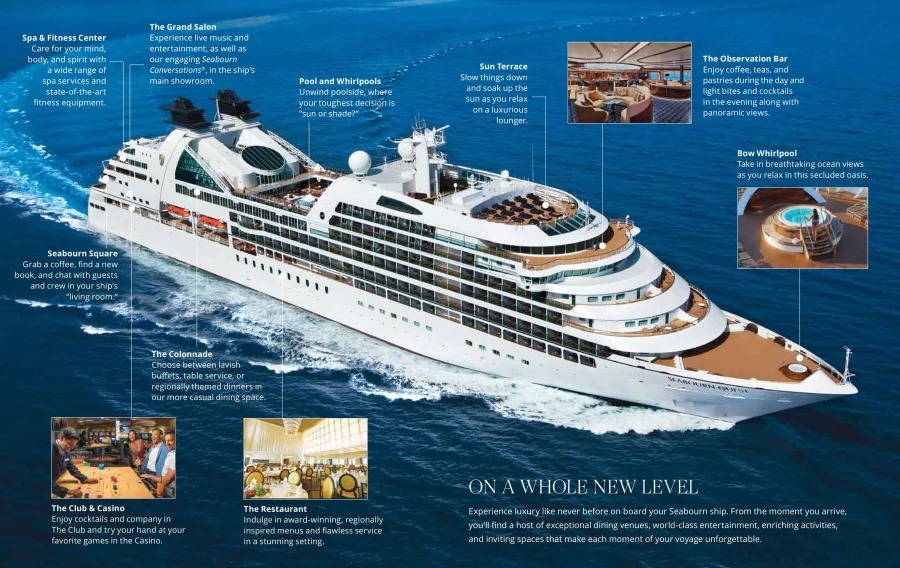
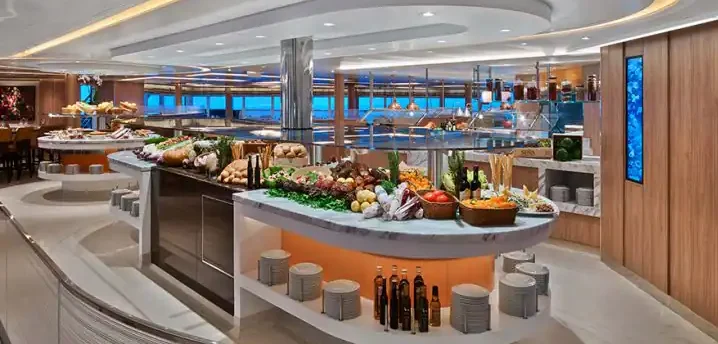
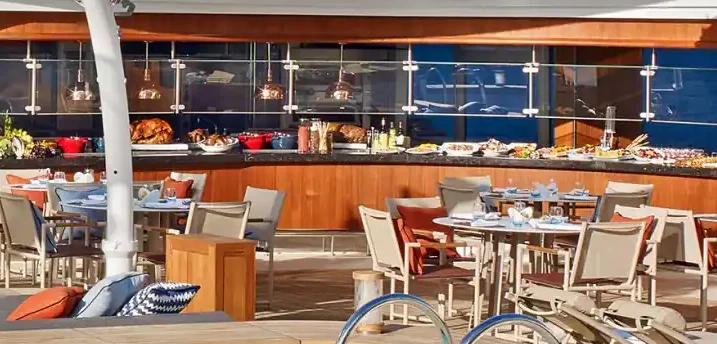
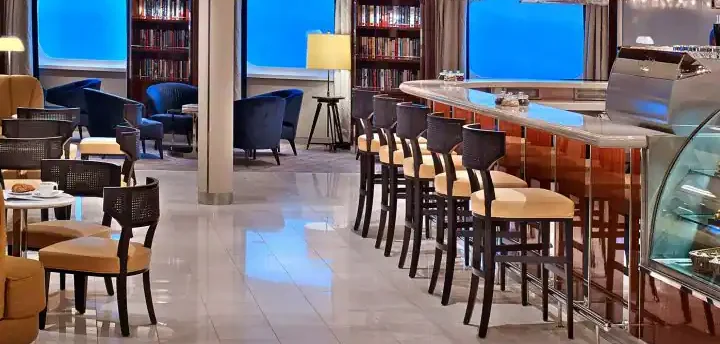
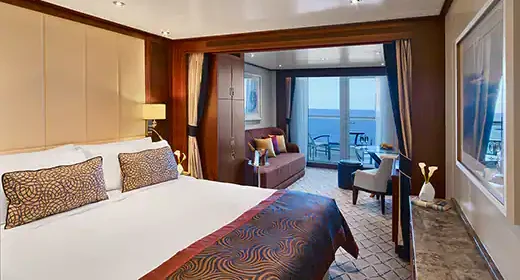
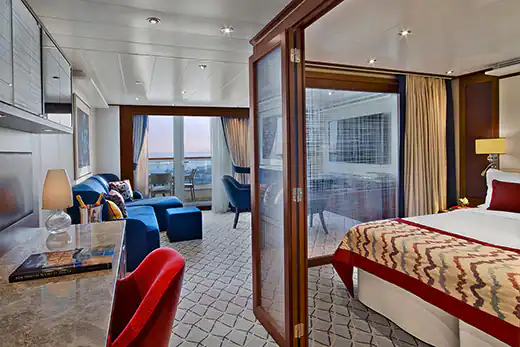
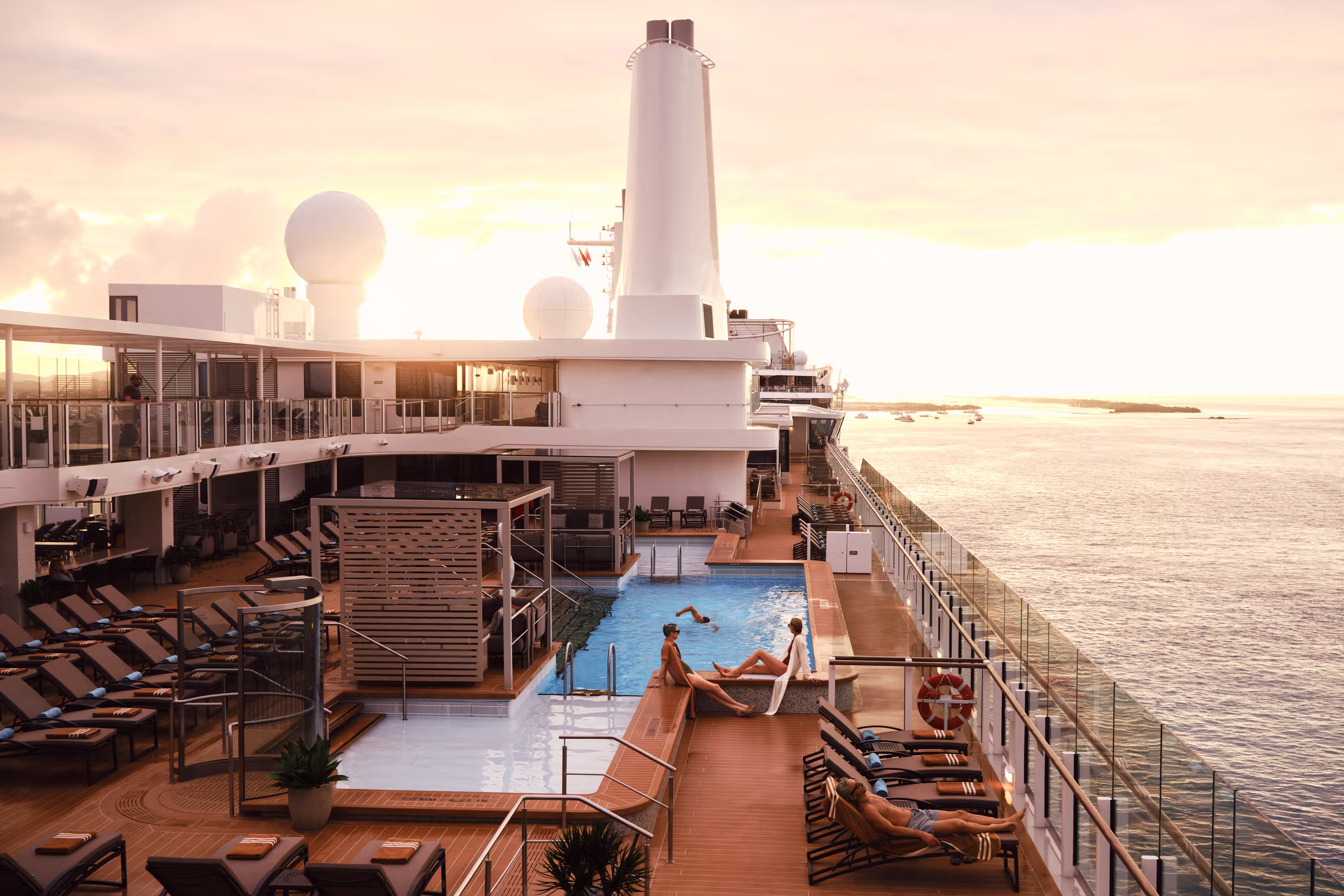
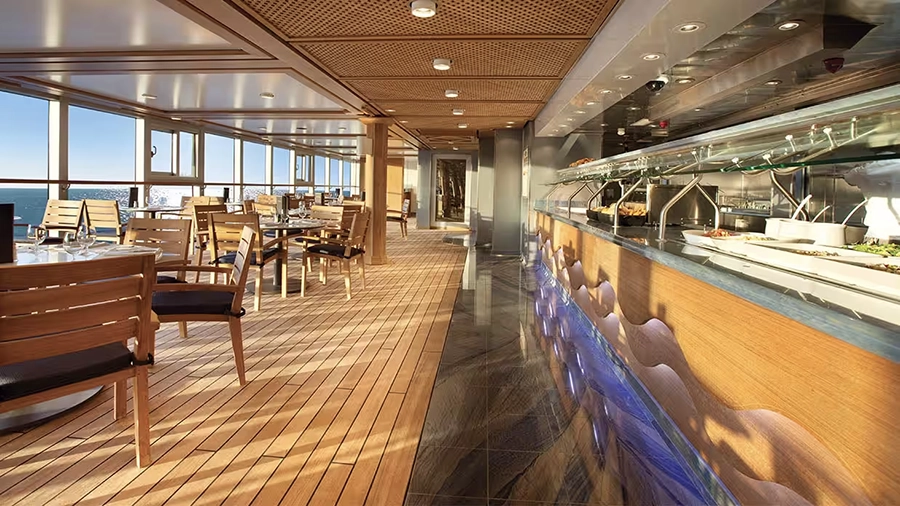
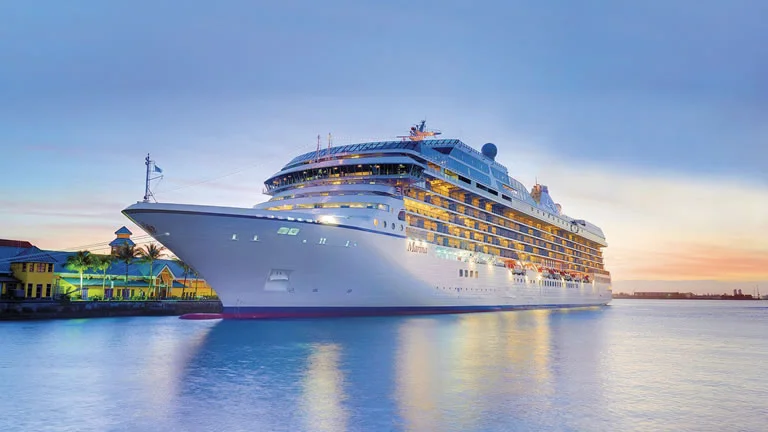
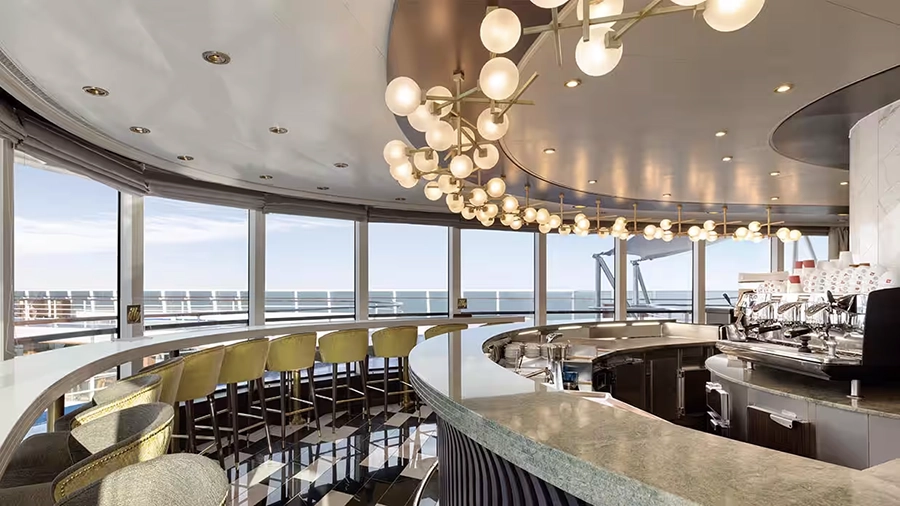
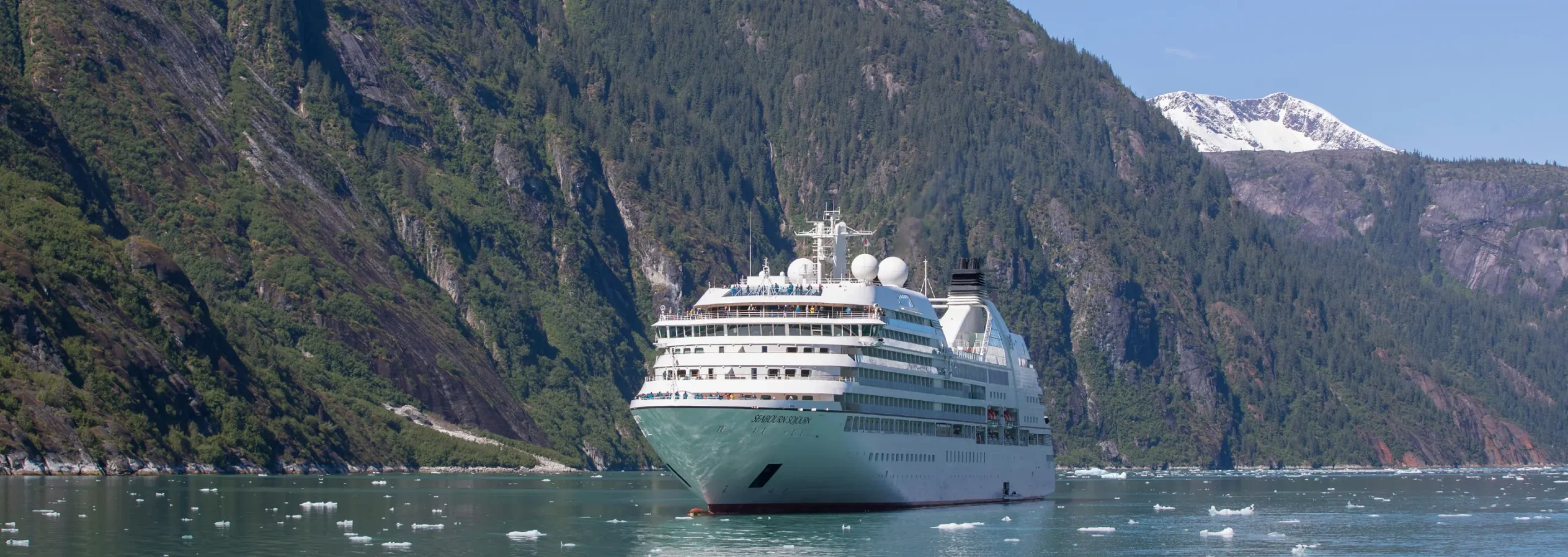
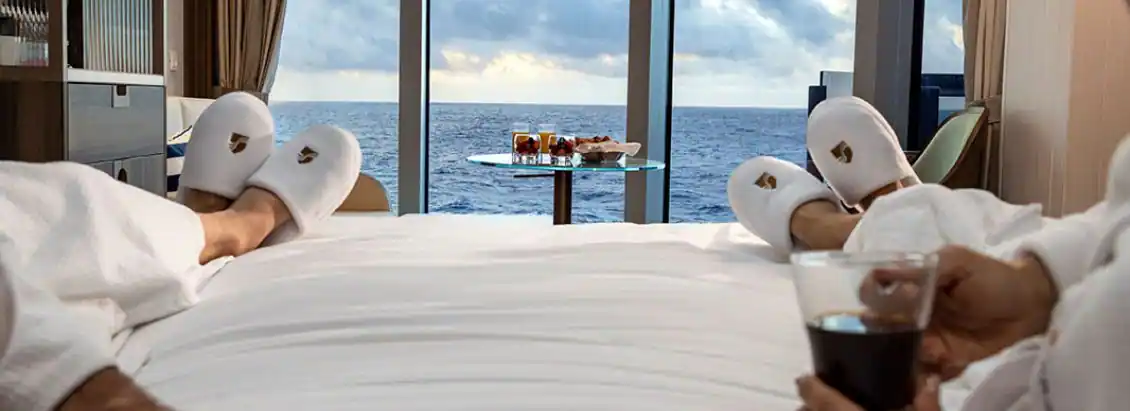
Relax and experience all that Seabourn Quest has to offer!
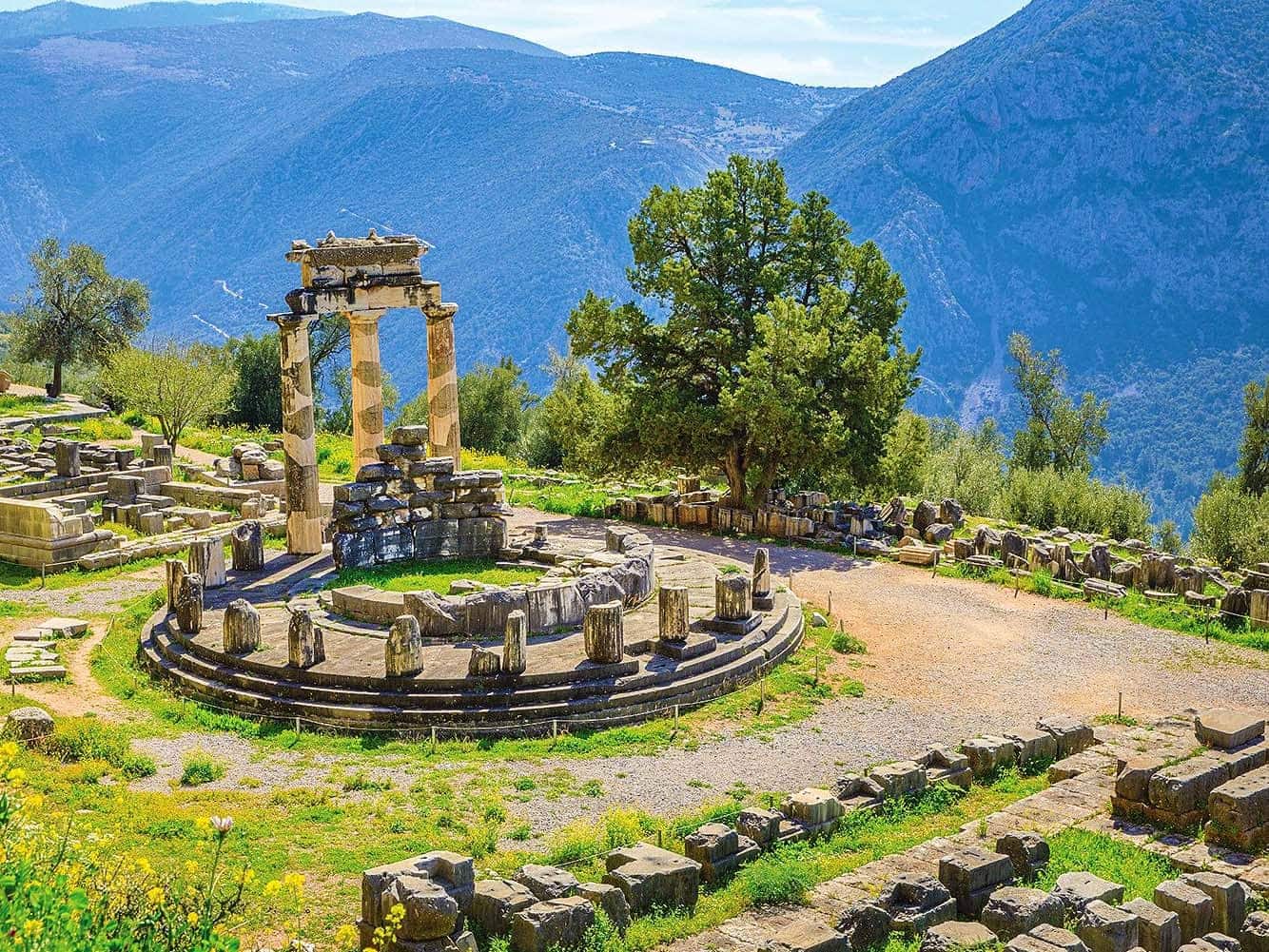
DAY 5 – ITEA (DELPHI), GREECE
Colorful fishing boats line the busy little port of Marina Grande, entry to the famous isle of Capri in Italy’s Bay of Naples. Inhabited since the Stone Age and settled by the Greeks in the 8th century BC, Capri was the favorite retreat of Roman emperors Augustus and Tiberius, who built numerous residences there. The island has remained a haven for A-listers ever since, as evidenced by the many elegant villas that dot its dramatic coastal cliffs. Your first view upon approach is of the iconic Faraglioni, a cluster of three rock formations said to be home to the mythical sirens who tempted Odysseus with their songs.
Today’s travelers are enchanted by the spectacular views from Villa San Michele and atop Mount Solaro. Wander the Gardens of Augustus, take a boat ride inside the ethereal Blue Grotto, and explore the remains of Villa Jovis, the most impressive of Tiberius’s many island abodes. Stroll Capri Town’s narrow alleyways lined with exclusive boutiques, then grab a limoncello in the central piazza, La Piazzetta, and soak in the charm.

DAY 6 – NYDRI, LEFKADA, GREECE
Set in a picturesque inlet, the town of Nydri is a favorite Ionian yacht harbor. Explore the vast olive groves that blanket Lefkada’s landscape, and the famous Nydri Waterfalls.
DAY 7 – SARANDE, ALBANIA
This important port on Southern Albania curls around a superb natural harbor, dominated by the hilltop 16th century Lekuresi Castle with distinctive round towers. In the town center are the ruins of a 5th century synagogue, later a Christian basilica, with remnant mosaic floors. Another picturesque ruin is the Forty Saints Monastery from the 6th century, which is thought to have been an important pilgrimage site. But the main attraction in southern Albania is the archaeological site of Butrint, a UNESCO World Heritage Site with extensive ruins of communities dating from prehistory, though the Greek and Roman eras, as well as the Byzantine period, until the medieval period.
DAY 8 – DUBROVNIK, CROATIA
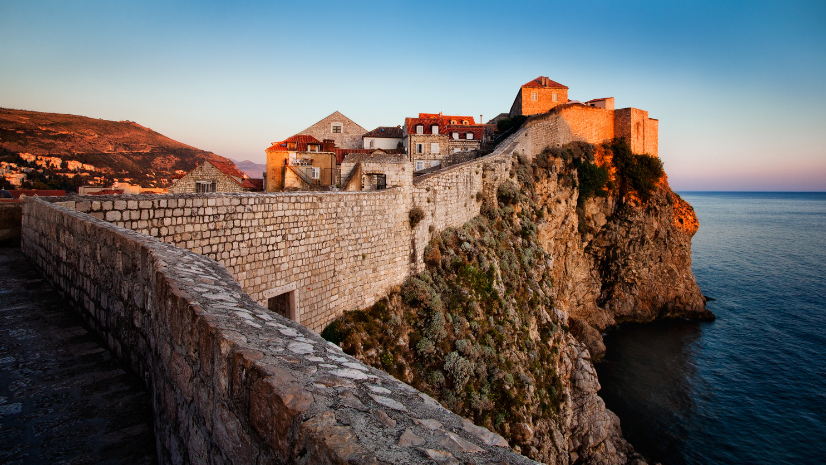
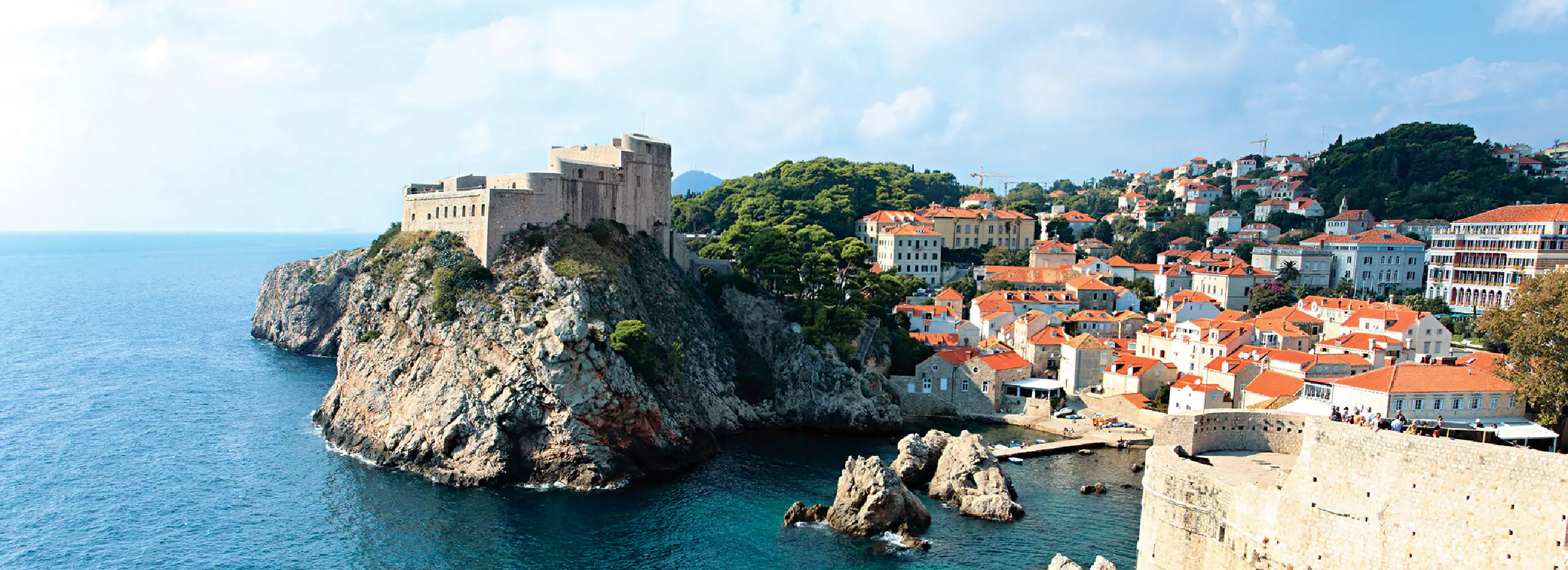
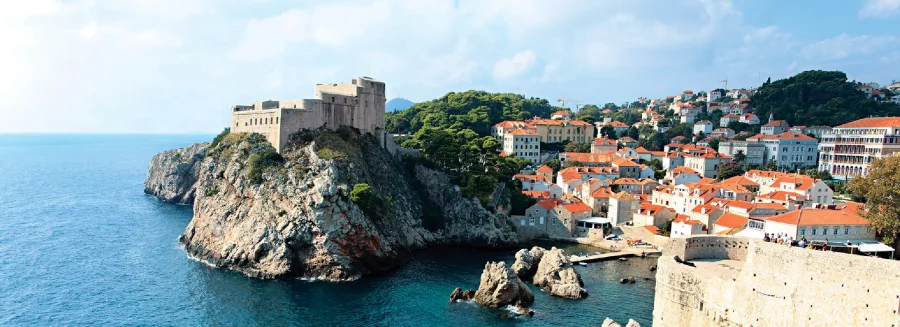
Founded in the 7th century, Dubrovnik rose to greatness as a merchant state, independent republic and cultural crossroads. The traffic-free Old Town has been called a Croatian Athens. This UNESCO designated World Heritage Site is a living museum of the ages with fortifications, chapels, monastic cloisters and Europe’s second-oldest synagogue crowded into its ancient walls. Relax at a sidewalk café, listen to the chimes of the 14th-century bell tower or join the promenade down the palace-lined avenue known as the Stradun.
DAY 9 – KORCULA, CROATIA
The early Greeks named this island Korkyra Melaina, or “Dark Korcula”– because of its dense forests it loomed black on the horizon against the azure Adriatic. It is the most populous of the Dalmatian isles off the coast near Dubrovnik. Its main port is a classic medieval Dalmatian walled stone town with round towers and red-tiled roofs, perfect for strolling through narrow cobblestone byways and discovering tiny plazas where they join. In one of these, the famous traveler Marco Polo is rumored to have been born, and local people will proudly show you the very house.
Another local sight you’re likely to see is the elaborately choreographed Moreska, a ritual performed by dancers with swords depicting a long-ago battle. Croatians love their coffee, and also brew wonderful beer. Enjoy one of these at an open air café, or sip the fragrant cherry liqueur called maraschino, made on the Makarska Riviera on the nearby mainland.
DAY 10 – BRINDISI (LECCE), ITALY
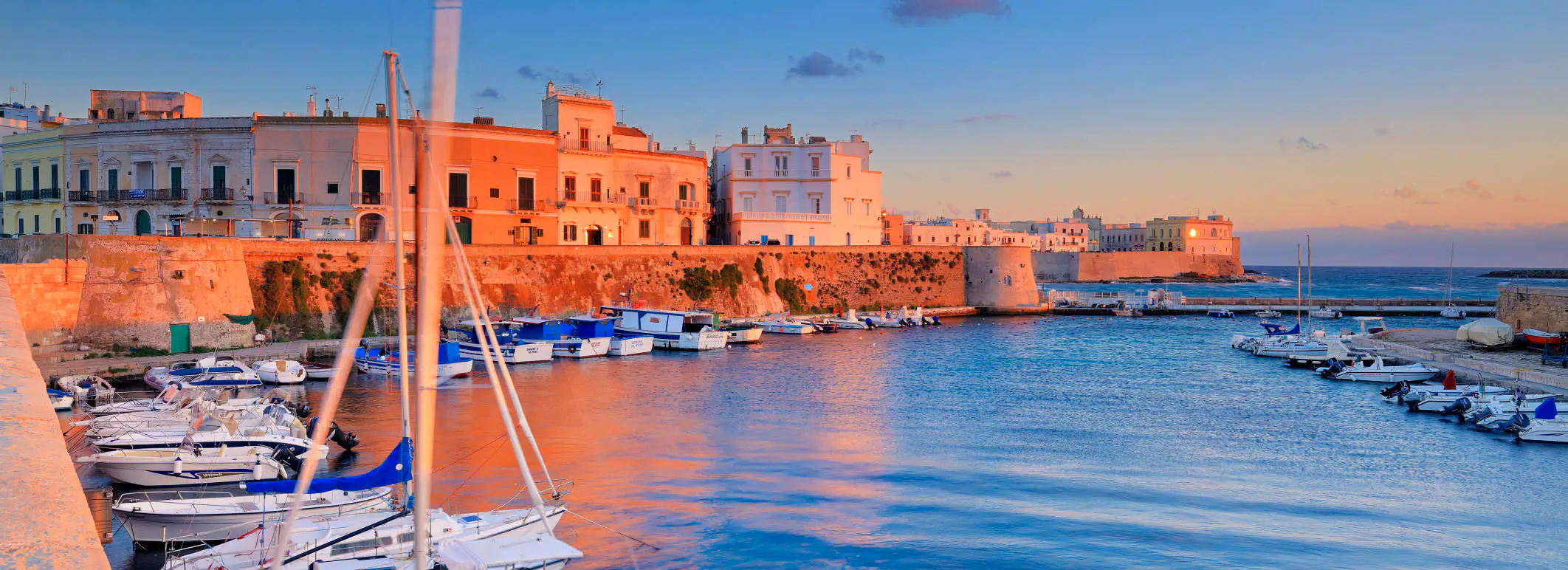
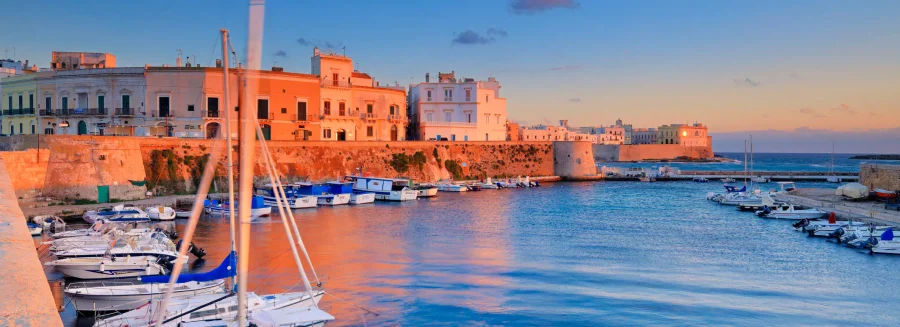
Set on a peninsula between two arms of the Adriatic Sea, Brindisi was an important port of the Roman Empire, and later for the East India Company. In the 2nd century BC the Appian Way was built, linking the port to Rome, and a column near the harbor marks the end of that famous route. It is here that in 71 BC, the gladiator Spartacus led thousands of rebel slaves in an unsuccessful escape. Today visitors find Romanesque churches, a 13th-century castle and, in the surrounding Apulia region, remains of ancient Messapian culture.
DAY 11 – SARANDE, ALBANIA
This important port on Southern Albania curls around a superb natural harbor, dominated by the hilltop 16th century Lekuresi Castle with distinctive round towers. In the town center are the ruins of a 5th century synagogue, later a Christian basilica, with remnant mosaic floors. Another picturesque ruin is the Forty Saints Monastery from the 6th century, which is thought to have been an important pilgrimage site. But the main attraction in southern Albania is the archaeological site of Butrint, a UNESCO World Heritage Site with extensive ruins of communities dating from prehistory, though the Greek and Roman eras, as well as the Byzantine period, until the medieval period.
DAY 12 – ZAKINTHOS, GREECE
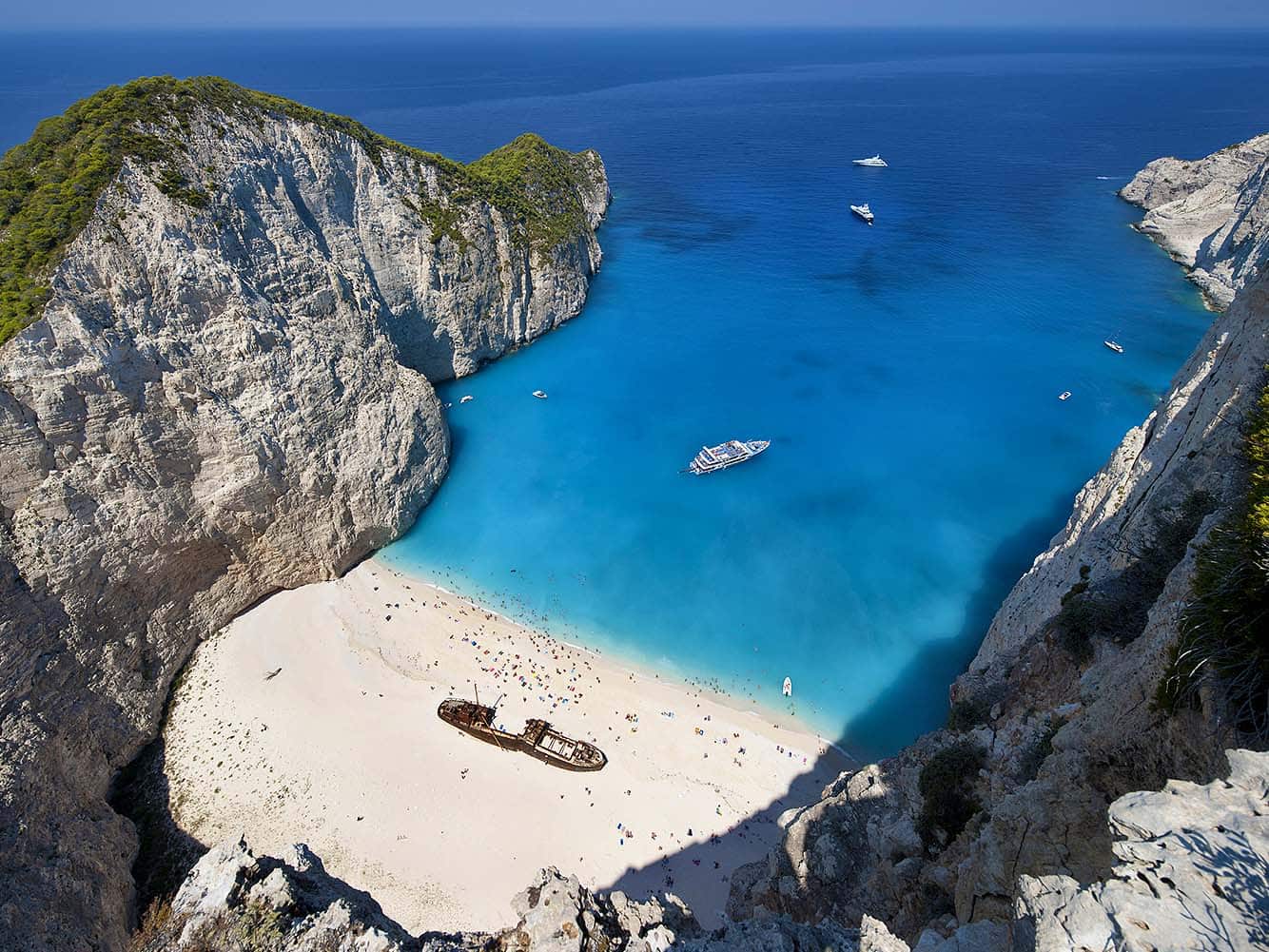
The third largest of the Ionian Isles, Zakinthos is most famous for its isolated “Shipwreck Beach,” accessible only by boat. The shining white pebble beach ignites the turquoise color of the sea, as it does in the numerous small caves around Cape Skinari, again only seen from a small boat. Between Skinari and the mountain village of Keri are fantastic rock arches and other bizarre formations. The town is curved around a large harbor, and guarded by an old Venetian castle with panoramic views of the town and harbor.
DAY 13 – DAY AT SEA
Relax and experience all that Seabourn Quest has to offer!
DAY 14 – NAFPLION, GREECE
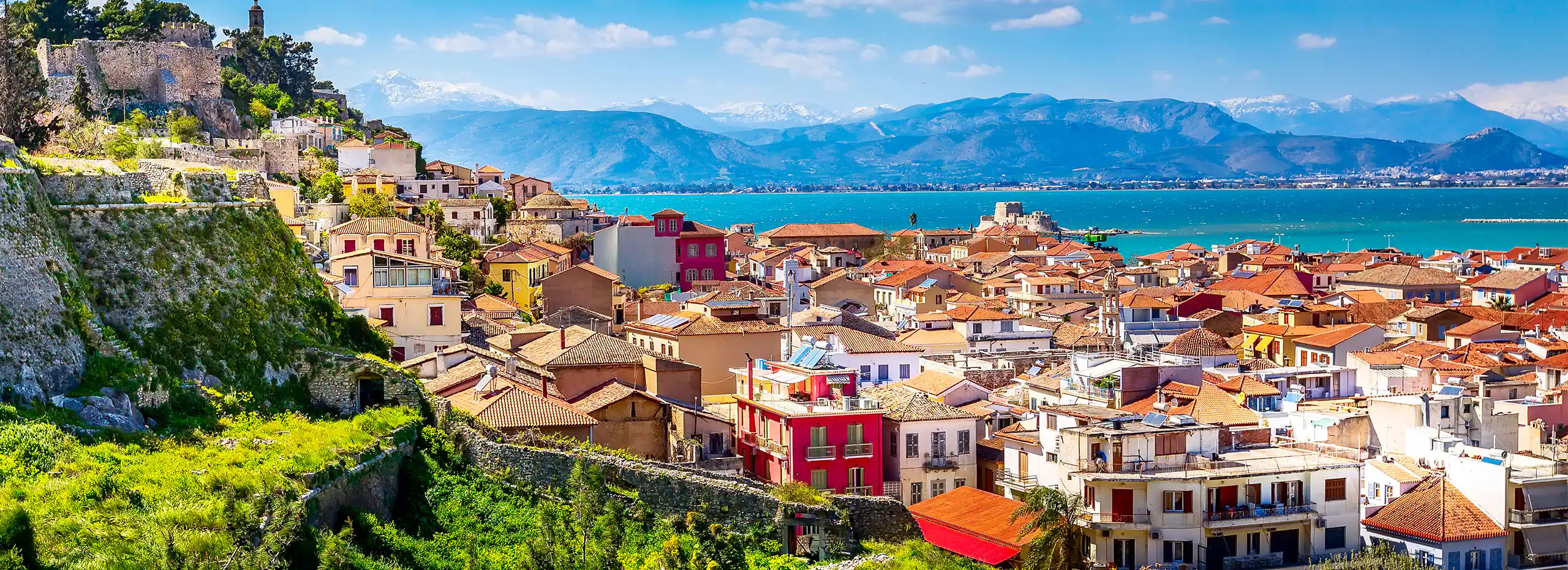
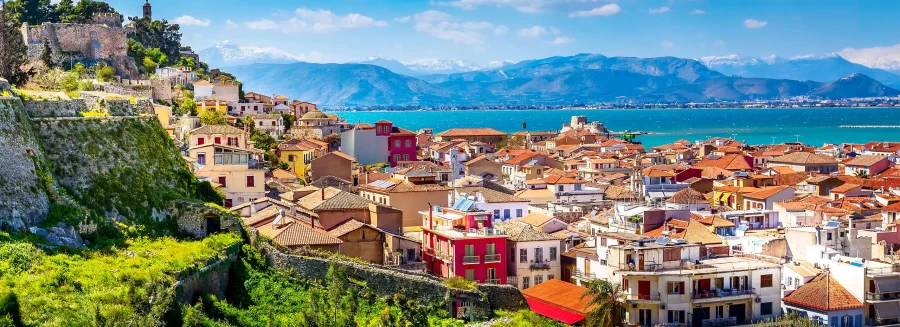
Held to be one of the loveliest small towns in all the islands, Nafplion has a tradition and culture all its own. The sheltered location, below a rocky headland crowned by a Venetian fortress is perhaps unrivaled in Greece. After the Greek revolution of the early 19th century, Nafplion served as the first modern capital. The neoclassical houses, large official buildings and carefully planned seafront streets all date from this period.
DAY 15 – ATHENS
Piraeus has been the port for Athens since 482 BC. The busy harbor is filled with ferries and cruise ships making their way to the Greek Islands and other Mediterranean cities. The busy metropolis of Athens and its treasure trove of antiquities lie just a few miles from the port. Even as the reality of the modern city took hold, with its high-rise apartments, crowded sidewalks and bustling traffic, the beauty of the Acropolis, the outstanding museums, charming cafés, sidewalk markets and startling views come together in a cultural mosaic for all to enjoy.