DAY 1 – AMSTERDAM, NETHERLANDS
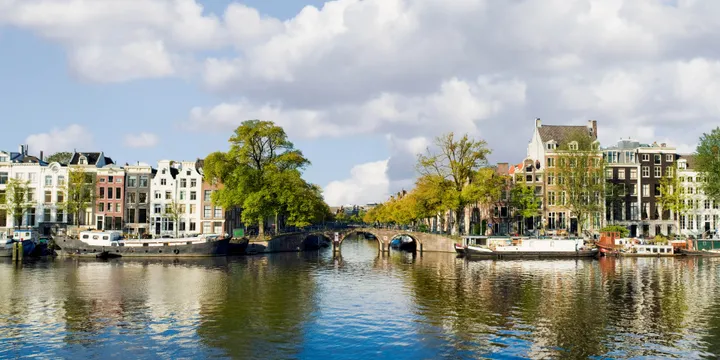
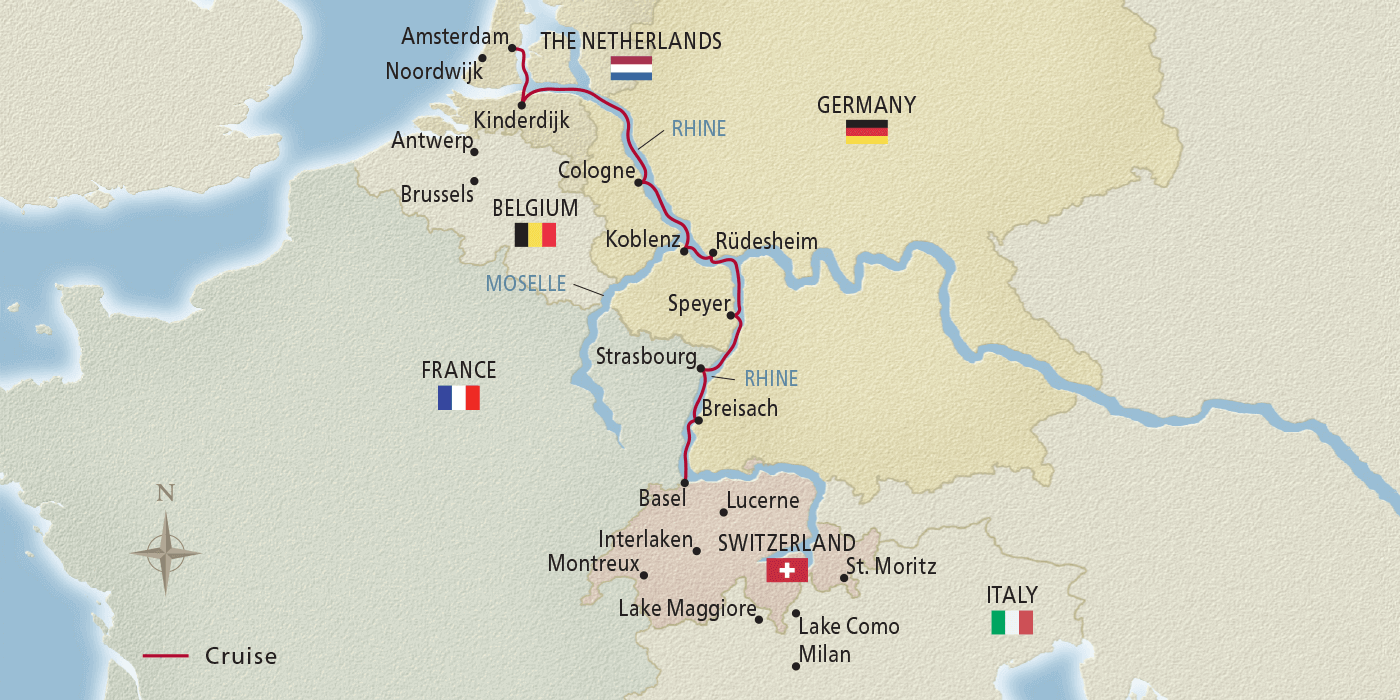
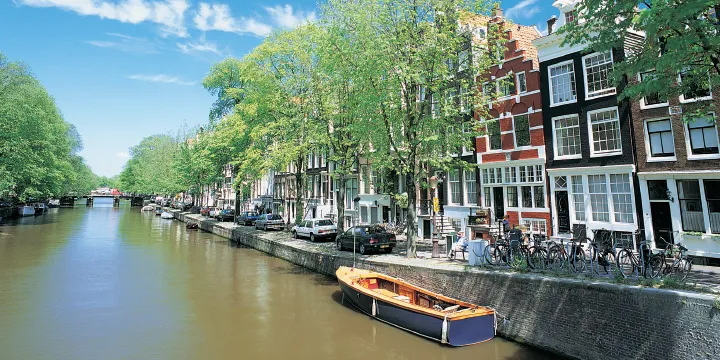
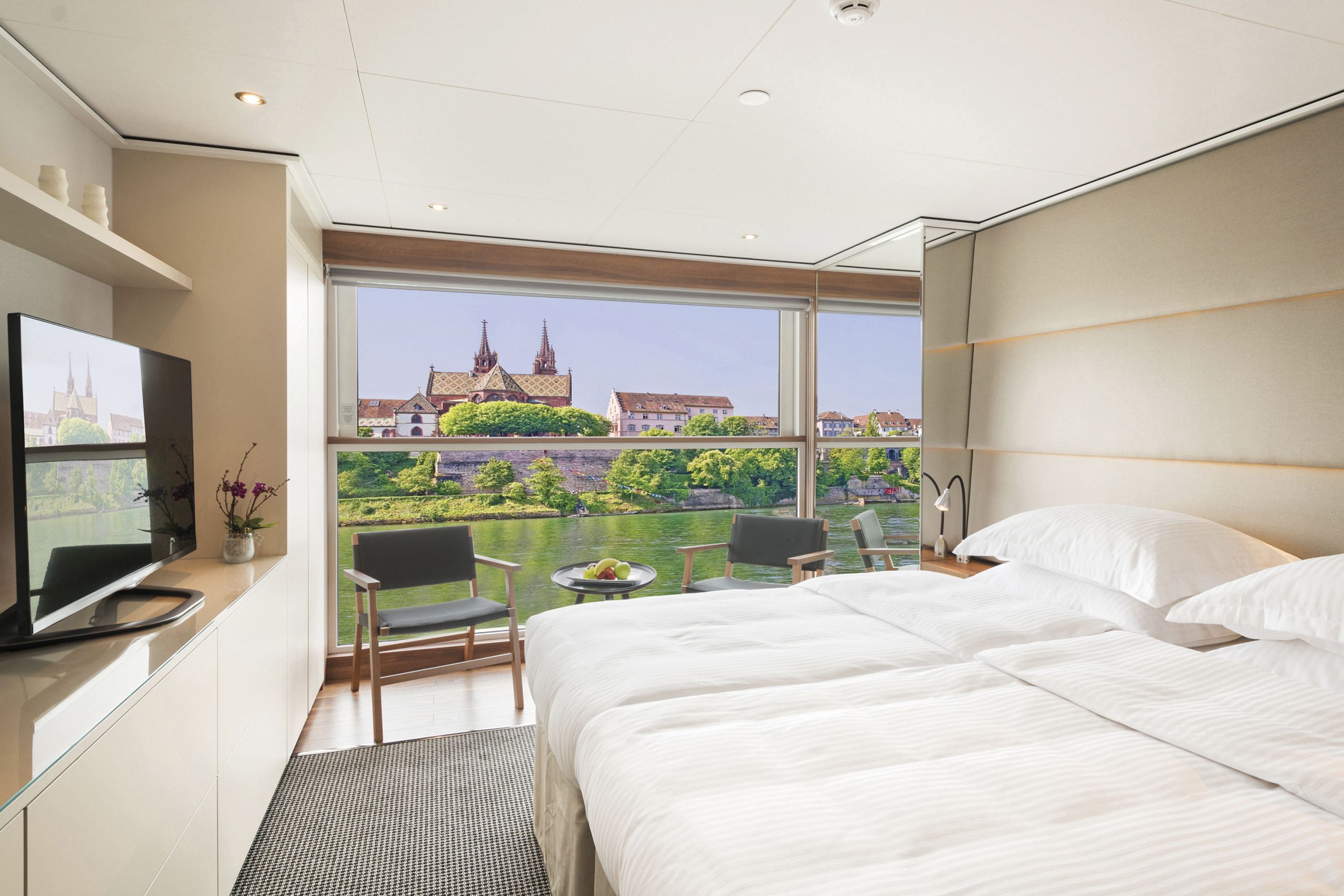
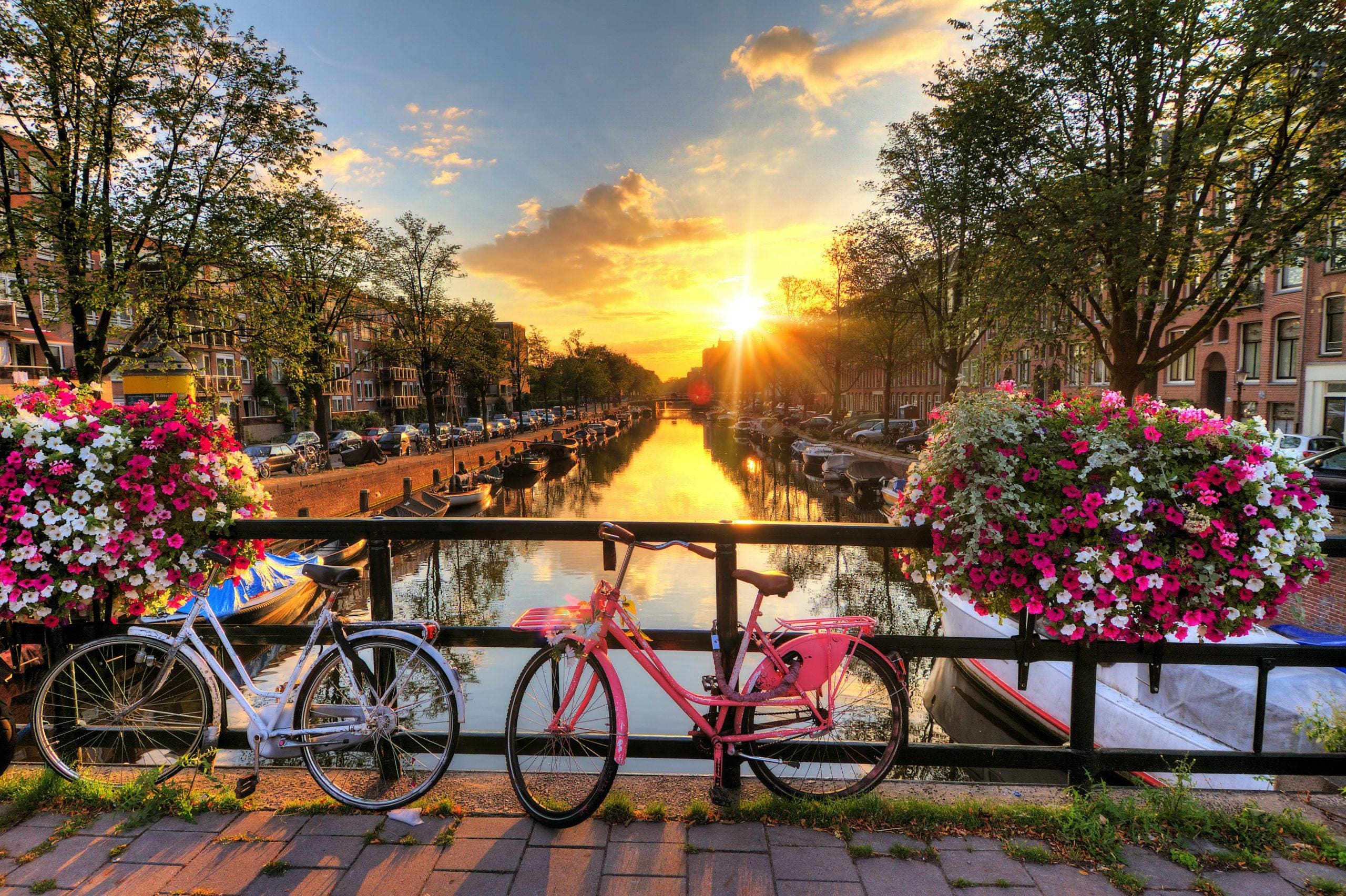
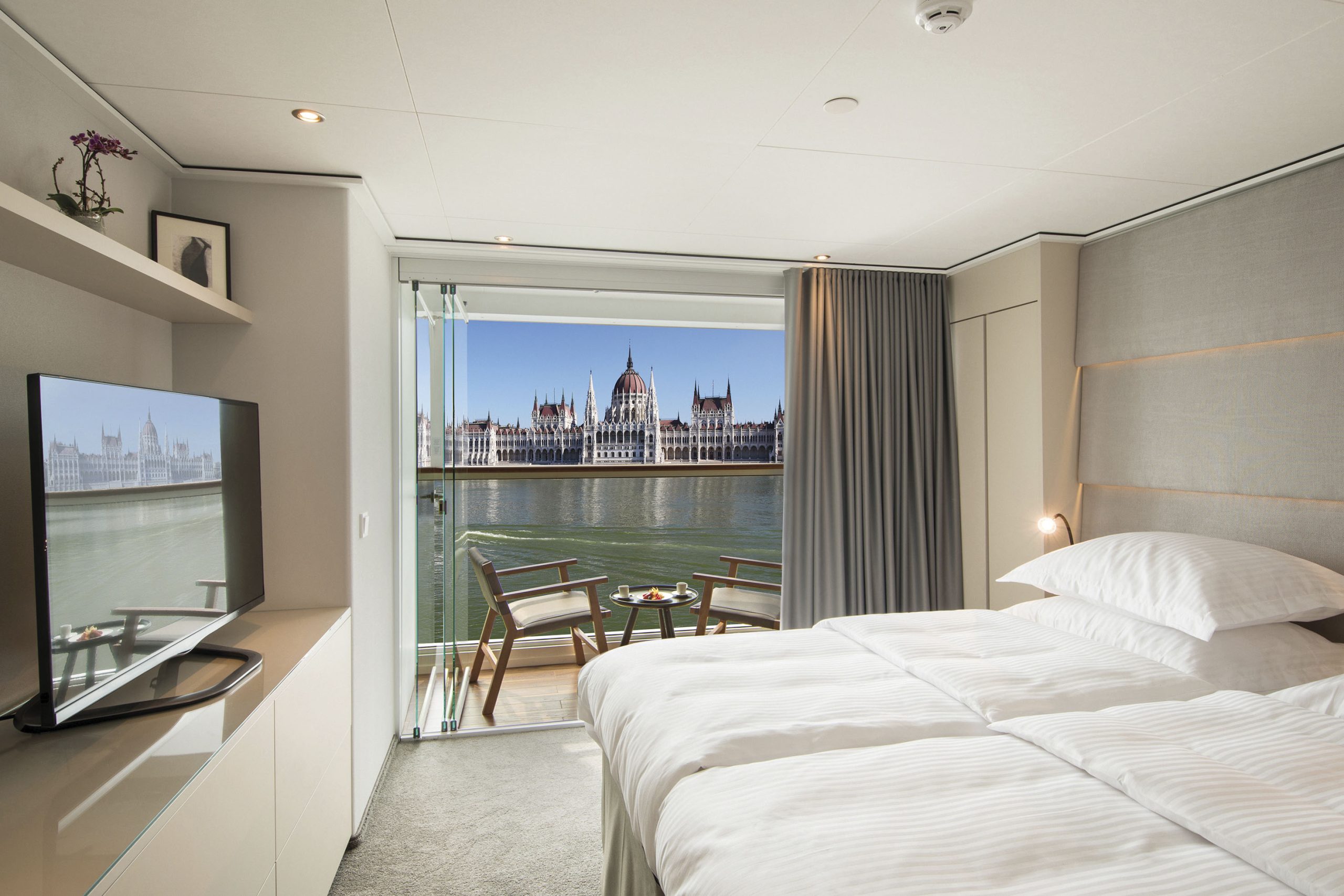
Embark your ship and settle into your stateroom. A city of charming canals, elegant gabled houses, splendid museums and abundant bicycles, the Dutch capital of Amsterdam is a delight to explore. Its patchwork of waterways forms about 90 islands connected by 1,500 bridges. The legacy of the Dutch Golden Age lives on in gilded manses and in the lush paintings of Rembrandt and other Dutch masters that adorn the Rijksmuseum, The Netherlands’ grand repository of art and cultural history. Discovering Amsterdam is a pleasure best pursued on foot; visitors line the tranquil canals and linger over Dutch pancakes, or take a stroopwafel to go.

DAY 2 – KINDERDIJK, THE NETHERLANDS
Kinderdijk is a village community in the Alblasserwaard province. This corner of South Holland, part of the scenic Waal and Merwede regions, has long been shaped by Rhine Delta waters. Kinderdijk is most known for its 19 remarkably preserved 18th-century windmills. The charming hamlet is located amid low-lying polders, tracts of land reclaimed from the sea by the power of the windmills and enclosed by embankments, or dikes. This legendary place calls to mind the 1865 novel Hans Brinker, in which a heroic boy plugs his finger into a ruptured dike.
DAY 3 – COLOGNE, GERMANY
Cologne reveals its Roman heritage in its city layout and the ancient ruins that lie scattered through the town. Cologne’s modern plazas and Hohe Strasse host welcoming shops, enticing restaurants and cologne boutiques. Of note is the city’s 13th-century cathedral, a stunning example of Gothic artistry and a UNESCO World Heritage Site. Having survived Allied bombs during World War II, the cathedral’s imposing twin spires are visible for miles and its stained glass windows fill the interior with brilliant colored light. Its steps lead to a platform with astounding views.
DAY 4 – KOBLENZ, GERMANY
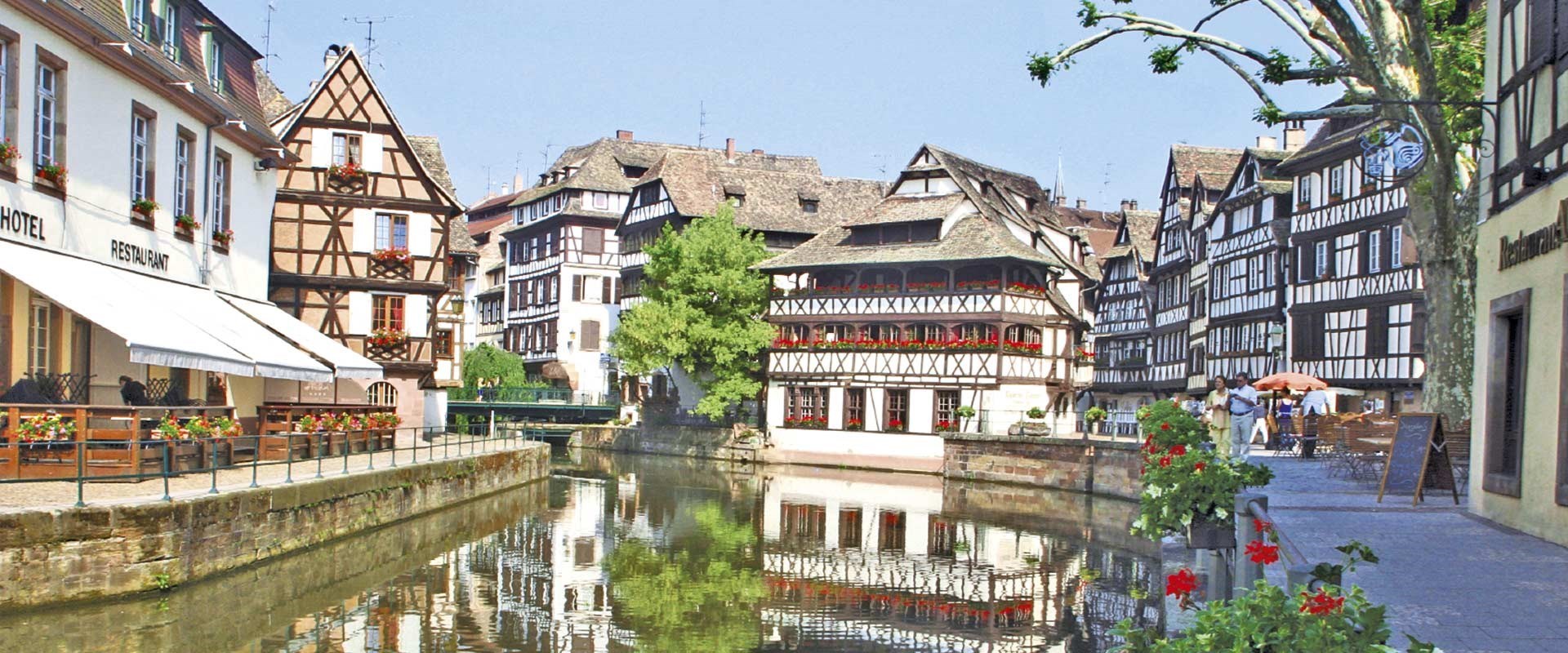
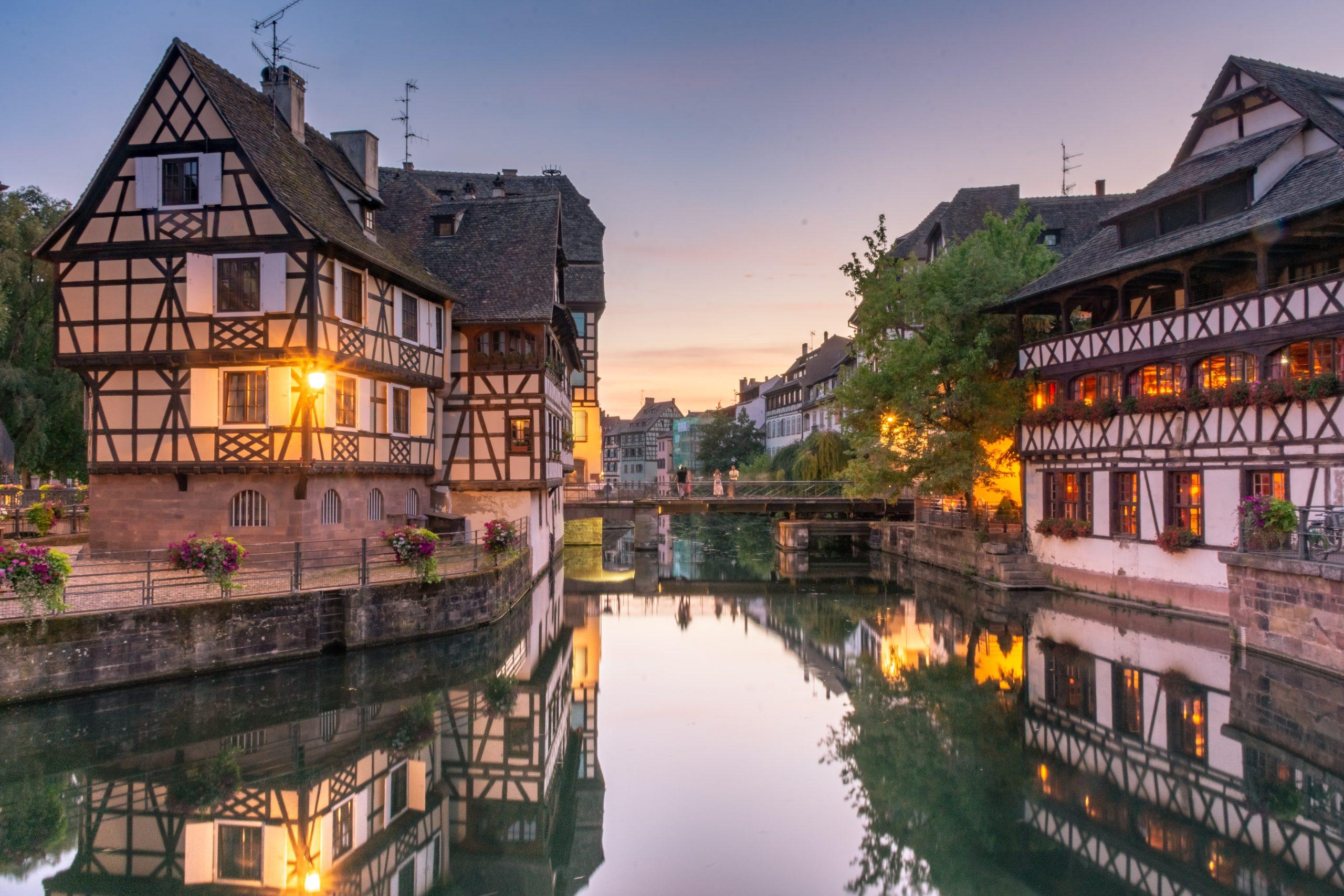
Koblenz is a traditional German city, founded more than 2,000 years ago. This former trading settlement rests on a massif of the Middle Rhine Highlands. Its cobblestone streets, wood-beamed houses adorned with flowers, ancient market square and medieval churches recall the fairy-tale Germany of old. At the German Corner, a massive equestrian statue of Prince William I observes the lovely riverside scene. The famed Teutonic Knights set up their first base here in 1216. The Romanesque Basilica of St. Castor, Koblenz’s oldest building, dates to 836.
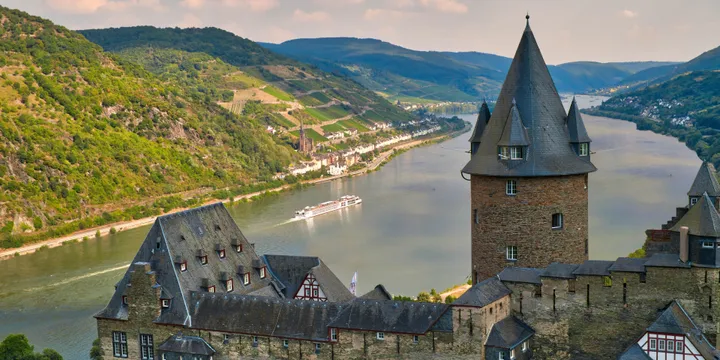
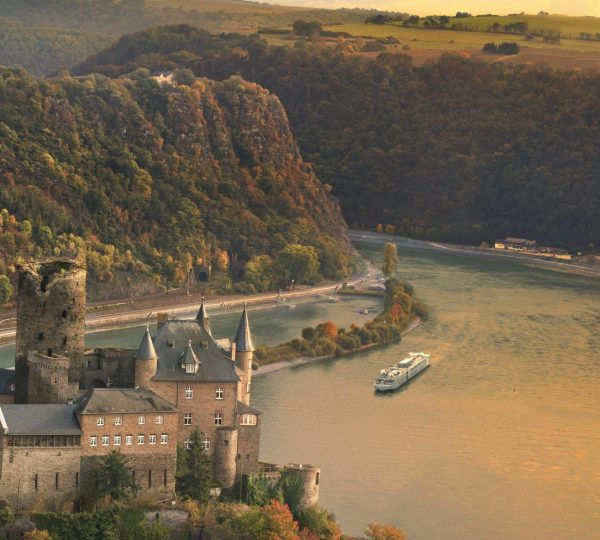
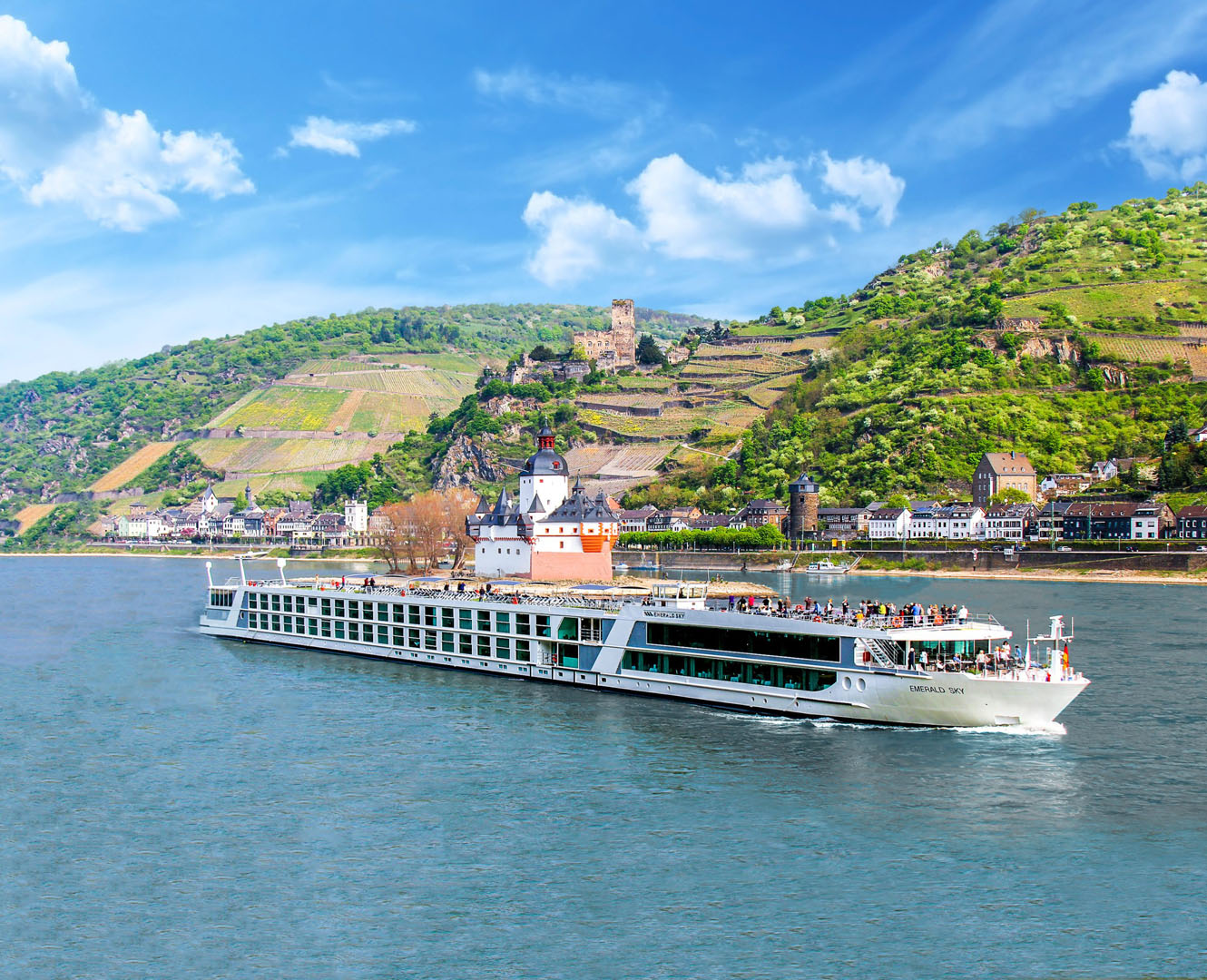
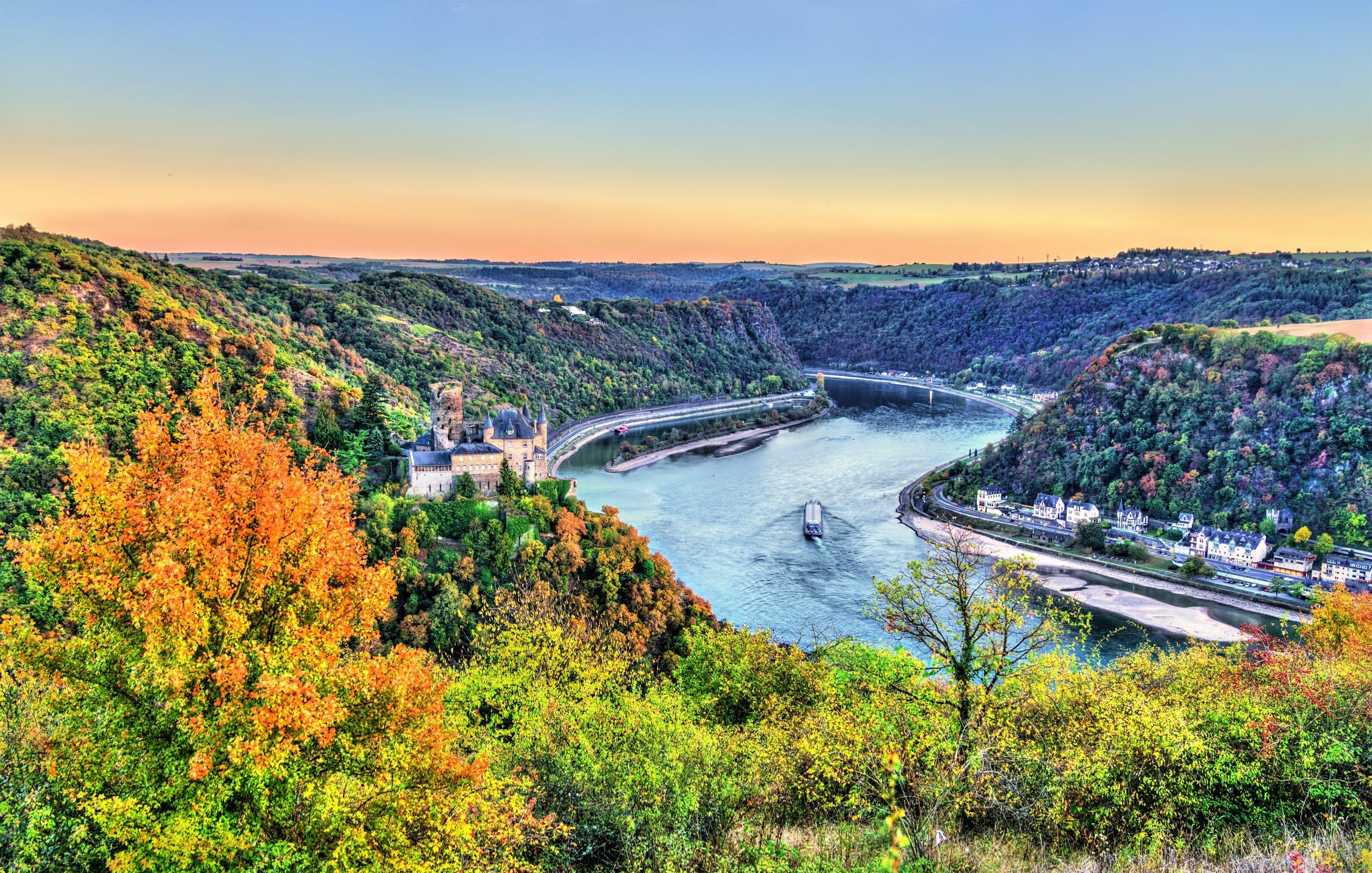
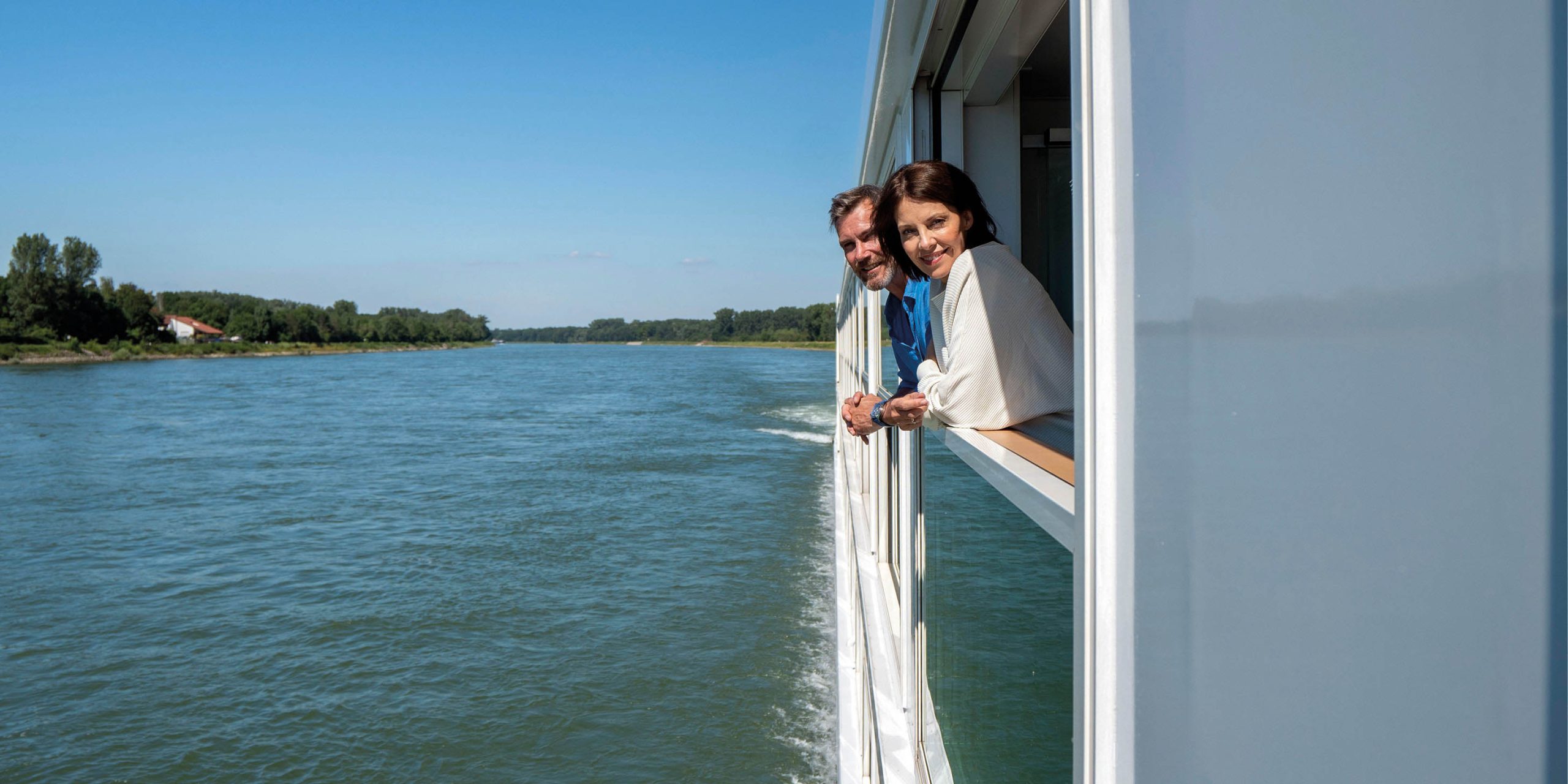
The Rhine River flows through one of Germany’s most scenic regions. As you sail its most picturesque stretch, the UNESCO World Heritage Site of the Middle Rhine, you will pass vineyard-blanketed hills whose steep slopes require vintners to pick grapes by hand, keeping a centuries-old tradition alive. Splendid castles line the banks, all of which have stories to share, and the Lorelei Rock presides at a dramatic curve in the river. This infamous river maiden mesmerized sailors with her song and lured them to their demise at her feet.
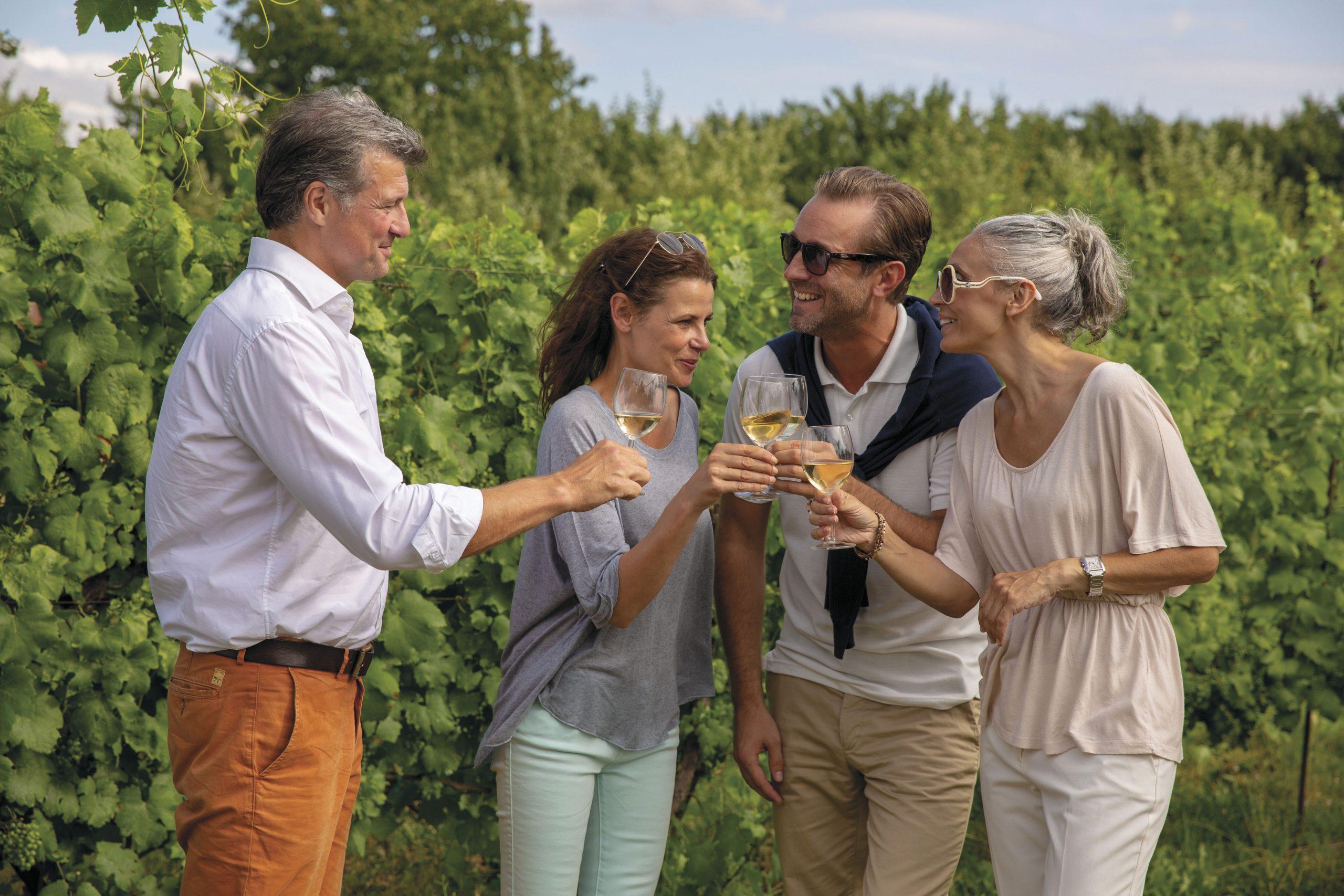
Located in the heart of Germany’s Rheingau region, Rüdesheim is the area’s center of winemaking. The famed Drosselgasse, a cobblestone street lined with taverns that pour local vintages and spill music into alleyways, attracts locals and visitors alike. Half-timbered houses, narrow warrens and old inns lend the town a medieval flavor. Castles once provided security for the region, including the 9th-century Brömserburg Castle, the oldest on the Rhine. The Siegfried’s Mechanical Music Cabinet museum also houses an impressive collection of self-playing instruments.